AGP Executive Report
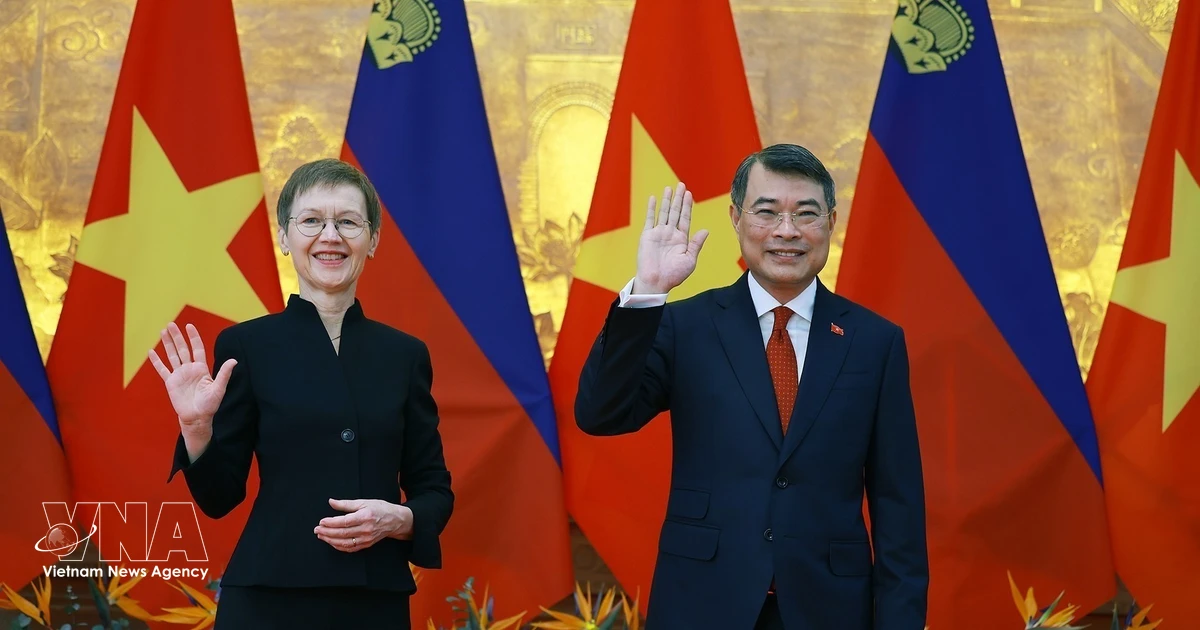
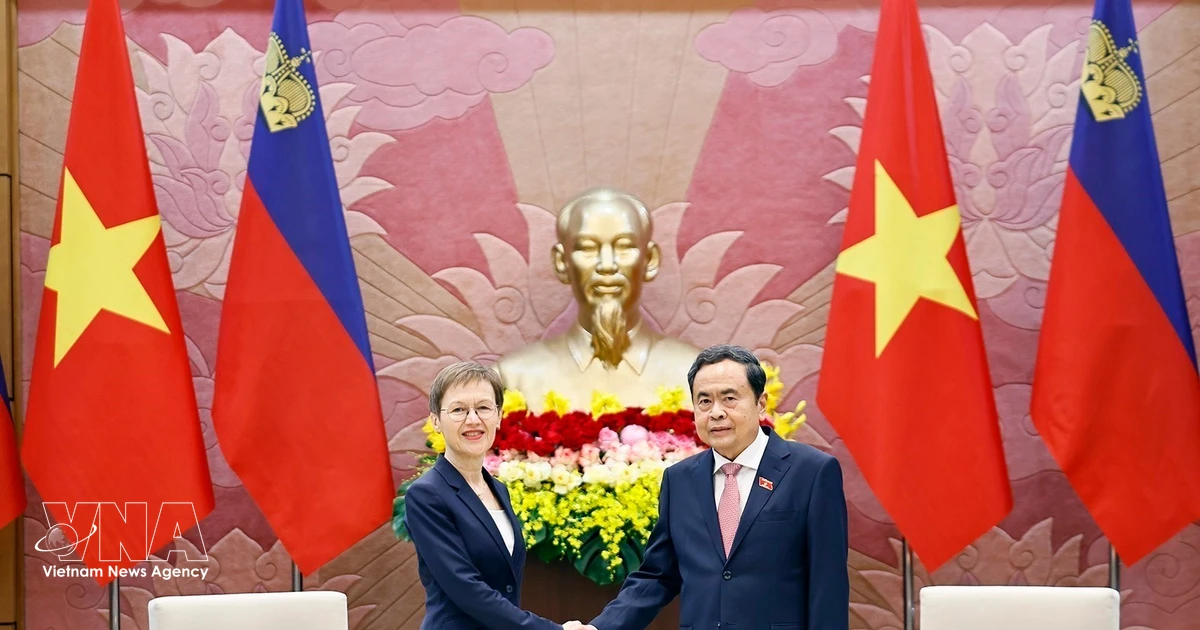
Last update: 8 hours agoTrade & Investment: Liechtenstein joined Switzerland, Norway and Iceland in signing a free trade agreement with Vietnam on October 18, opening a framework for lower trade barriers and cooperation in goods, services, investment and technology. The pact still needs to enter into force; a separate double-taxation agreement signed during Prime Minister Brigitte Haas’s visit is intended to make cross-border business and investment more predictable. Food & Agriculture: Liechtenstein-based Protect First AG has partnered with a Cameroonian cocoa cooperative to promote organic, Fair Trade-certified production and longer-term access to international buyers, with the aim of raising farmer incomes. Financial Services: A survey of banks and other financial institutions in Liechtenstein and Switzerland found stablecoins and central bank digital currencies are the leading digital-asset trends expected over the next three to five years, though commercial and integration hurdles are slowing adoption.
Note: AI summary from news headlines; neutral sources weighted more to help reduce bias in the result. Feedback is welcome. Please let us know if you have any comments or suggestions about the AGP Executive Report.
 Perspectify News